Published
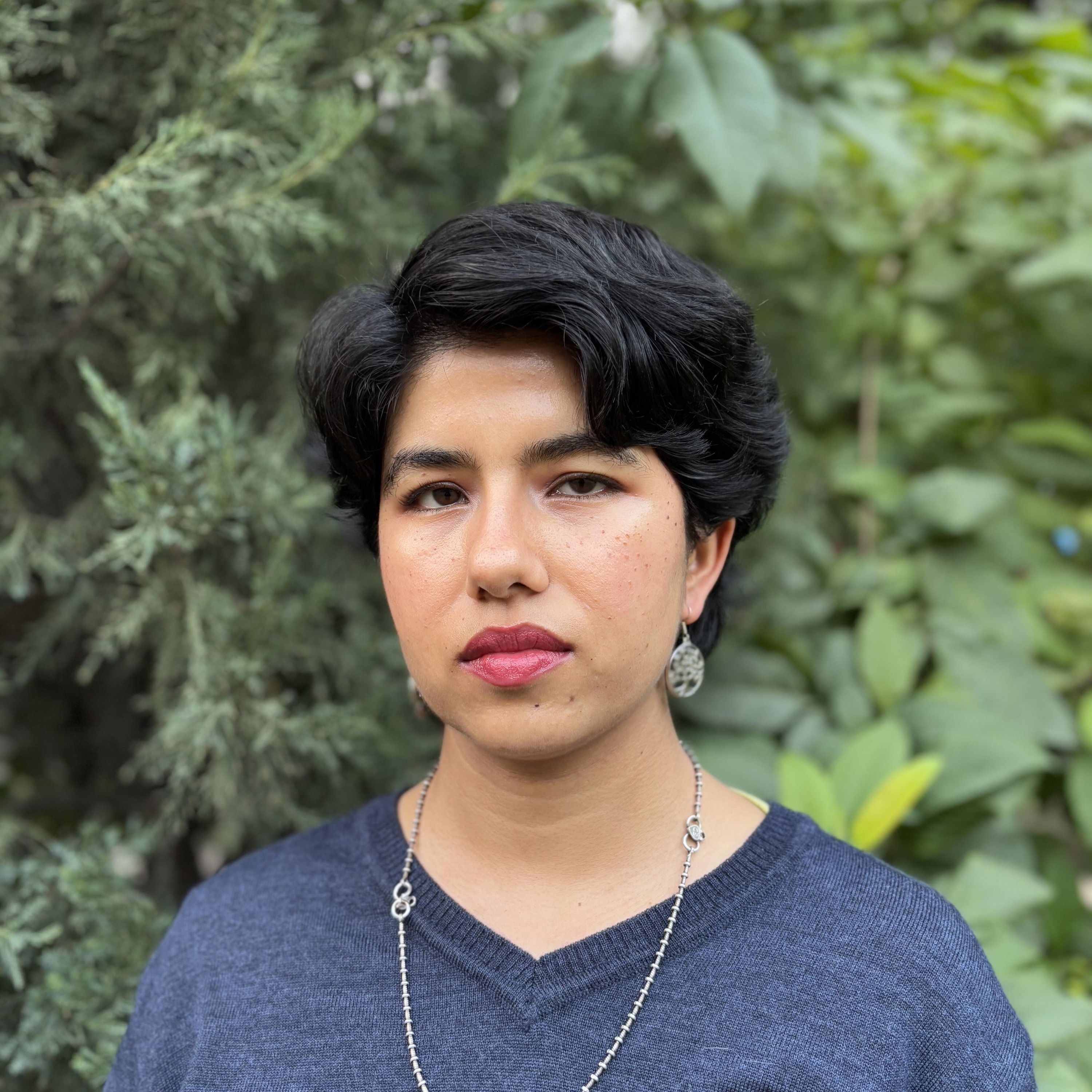
Name: Radhapriya Gupta aka Noni-Mouse
Nationality: Indian
Occupation: Producer, composer, sound artist
Current release: Noni-Mouse is among the artists included on compilation IndianTechXpress 2, compiled by Alexander Robotnick, out via Hot Elephant. Other artists on the release include Pawas, 5volts, Farhan Rehman, and Noni-Mouse.
[Read our Alexander Robotnick interview]
[Read our Farhan Rehman interview]
[Read our 5volts interview]
[Read our Hybrid Protokol interview]
[Read our Pawas interview]
If you enjoyed this Noni-Mouse interview and would like to stay up to date with her music, visit her on Instagram, Soundcloud, and bandcamp.
What were some of the musical experiences which planted a seed for your interest in electronic music?
A lot of what I make is influenced by the drum machine, synth and vocal heavy independent pop music that emerged in India in the 90s. There was a sensual yet blase quality to it.
Those who know they know. One of my favourite remixes:
Most genres of music make use of electronic production means. What does the term “electronic music” mean today, would you say?
It does feel that currently, electronic music is going through its ‘rockstar’ phase, where sometimes identity and persona end up overshadowing craft and creative direction. So many of my musical heroes operated like artists first, and then entertainers or musical celebrities.
There used to be an awe around what people could come up with using machines and mind. It feels like that curiosity is fading.
Disco, house, techno, drum n bass, IDM and many other genres were about a lot more than just music. For you personally, is electronic music (still) a way of life – and if so, in which way?
For me, electronic music has always been a space that invites play and exploration.
I'm always trying to reconstruct the existing moulds within various dance music genres, play with their elements and structures, trying to create something that feels new and exciting.
Debates around electronic music tend to focus on technology. What, though, were some of the things you learned by talking to colleagues or through performing and/or recording with other musicians? What role does community play for your interest in production and getting better as a producer?
Everytime I make something new, I always end up sharing a bounce with some close collaborators and peers. Their reaction, criticism and feedback give me notes to consider, changes that help me approach the music more objectively.
I think peer review and community is essential for artists.
What are examples for artists, performances, and releases that really inspired you recently and possibly gave you the feeling of having experienced something fresh and new?
I am looking forward to playing at Sonar Festival 2025, Barcelona, where I will be using AI as an instrument to deliver a collaborative sonic presentation.
What kind of musical/sonic materials, and ideas are particularly stimulating for your own work right now?
Working with atonal sources of sound, to create textural dance music that feels accessible and fresh.
Where do most of your inspirations to create come from – rather from internal impulses or external ones? Which current social / political / ecological or other developments make you feel like you need to respond as an artist?
My work has always been informed by my sexuality, my gender, and my Indian heritage.
My personal objective is to be authentic to my voice/sound, without tokenising my identity.
Tell me a bit about the sounds & creative directions, artists & communities, as well as the colleagues & creative hotspots of your current hometown, please. How do they influence your music?
As a part-Mumbai resident, I’ve always been inspired by the visual art community in the city. From graphic designers to filmmakers, it is interesting to observe how they operate their practice, and have adopted a lot of their key guidelines into my own work.
I am also a big fan of the art night Thursdays in the city, observing art, moving from one gallery to another.
Today, electronic music has an interesting relationship between honouring its roots and exploring the unknown. What does the balance between these two poles look like in your music?
With my music, I am always trying to recreate my early days of listening to dance music, while trying to find a contemporary vessel for those sounds and vibe.
If I myself enjoy the product, then I have done the job right.
What were some of the recent tools you bought, used, or saw/read about which changed your perspective about production, performing, and making music?
I have been looking into live sets with DJ controllers, using multiple stems across CDJs, bringing them in one by one using the mixer.
How do you see the role of sampling in electronic music today?
If it improves the track, and is sourced the right way, I support it.
What are some of the most recent innovations in sound design for you - and what are currently personal limits to realising the sounds you have in your mind?
I have definitely been going for cleaner, quieter mix downs, and also keeping the arrangements simpler.
In as far as it is applicable to your work, how would you describe the interaction between your music and DJing/DJ culture and clubs?
I do think my music goes a bit against the grain, and hence, finding its place in more adventurous, daring sets.
How, would you say are your live performances and your recording projects connected at the moment? How do they mutually influence and feed off each other?
My live sets are always a way to test new music, and so many of my releases were first made for my live set, and later fleshed out into a complete track.
I am still working with material that I performed in my live set in 2019.
Even if AI will not entirely replace human composition, it looks set to have a significant impact on it. What does the terms composing/producing mean in the era of AI, do you feel?
Efficiency.
I want to use AI to speed up my process, so that I am able to test out different ideas within the same composition.