Published
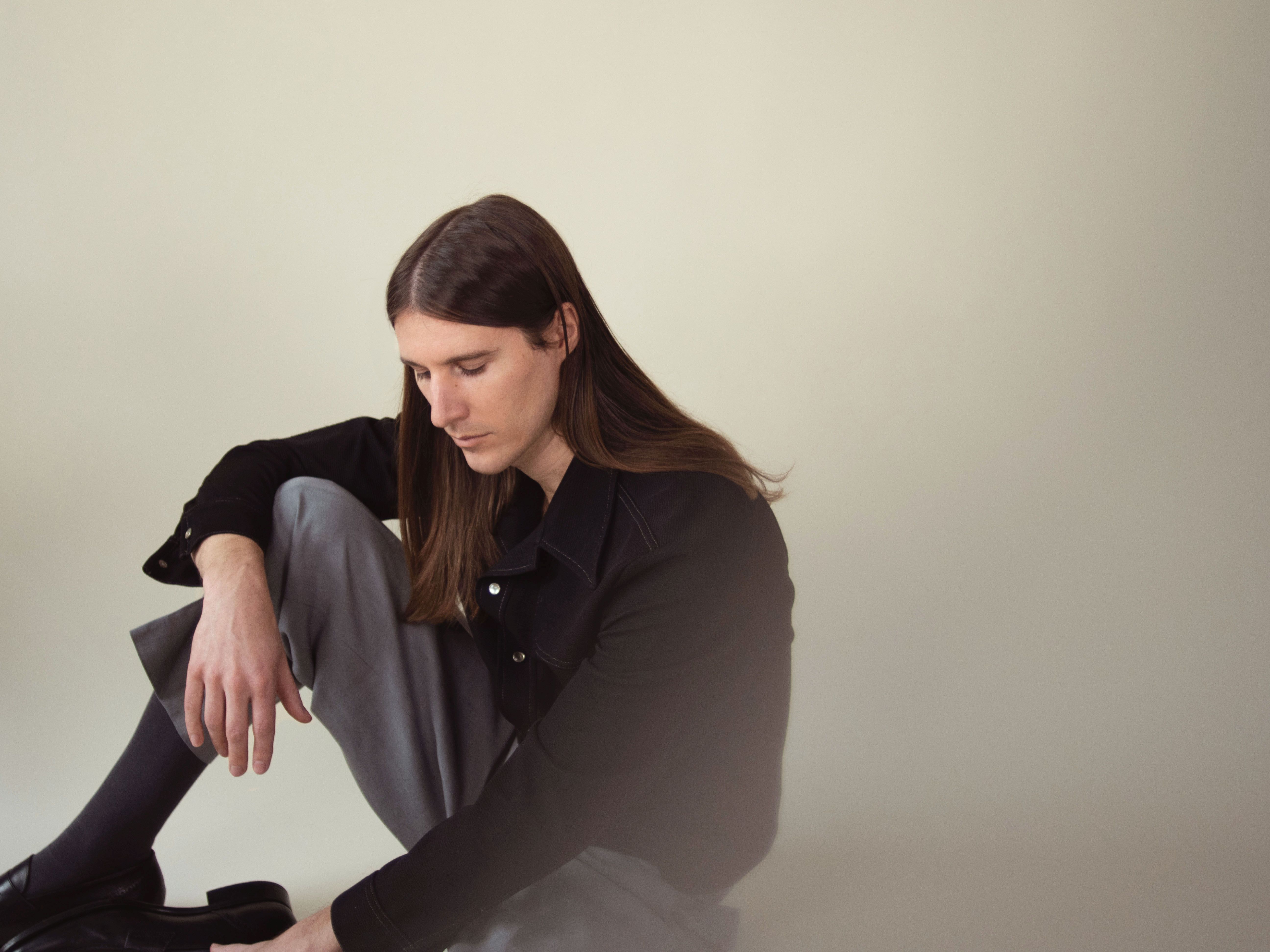
Name: Spencer Zahn
Nationality: American
Occupation: Multi-instrumentalist, composer, improviser
Current event: Spencer Zahn will team up with Dawn Richard for their appearance at this year's London EFG Jazz Festival. The event will take place 15-24 November 2024 and feature artists such as Anohni, Imelda May, the Crosscurrents Trio, Charles Tolliver, Veronica Swift, Brandee Younger, Ill Considered, Tashi Wada, Yazz Ahmed, Anouar Brahem Quartet, Melike Şahin, Fabiano Do Nascimento, Belle Chen, the Neil Cowley Trio, Matters Unknown, Mark Kavuma, Avishai Cohen, Tigran Hamasyan, and Fran & Flora.
For tickets, head over to the festival's official website.
[Read our Ill Considered interview]
[Read our Tashi Wada interview]
[Read our Yazz Ahmed interview]
[Read our Melike Şahin interview]
[Read our Fabiano Do Nascimento interview]
[Read our Belle Chen interview]
[Read our Neil Cowley interview]
[Read our Matters Unknown interview]
[Read our Mark Kavuma interview]
[Read our Tigran Hamasyan interview]
[Read our Fran & Flora interview]
[Read our Anouar Brahem interview]
If you enjoyed this Spencer Zahn interview and would like to know more about his music, visit his official homepage. He is also on Instagram, Facebook, and twitter.
How, would you say are your live performances and your recording projects connected at the moment? How do they mutually influence and feed off each other?
Dawn and I give each other full freedom when making our records. We trust each other to listen and to write from an honest, vulnerable place.
I will work on a song, writing the main aspects to the song at the piano and then send her the recording each step of the way as the song develops. This style of composing is similar to our live show in that each performance is different every night.
We often have new members of our ensemble in each city who we want to add their voice to the music. We listen to each other and what the music needs.
In as far as you have any experience or insights, what's your view of the London jazz scene?
I don’t have much personal experience with the London jazz scene outside of listening to recordings. It seems to be one of the most vibrant scenes right now.
Music has become a lot more global and incoporating elements from other parts of the world or the musical spectrum is commonplace. Do you still think there are city scenes with a distinct, unique sound? What holds these communities together?
I recently moved to Los Angeles where there are music scenes that definitely have a specific sound. It’s one of the things that drew me to living in LA.
There are scenes that revolve around a venue, around a record label, or around certain instruments. People gravitate toward each other and support each other in a way that I find refreshing and inspiring.
What does the term jazz mean today, would you say?
Exploration, curiosity, freedom to try new things on your instrument to express yourself.
Derek Bailey defined improvising as the search for material which is endlessly transformable. As of 2024, what kind of materials are particularly transformable and stimulating for you?
My relationship to melody and harmony is always shifting which leads to interesting new places when improvising.
Thanks to technological advances, collaboration has become a lot easier. What's your view on collaboration and its ongoing role for the music you make?
Dawn and I were able to start our recording collaborations because of the ease of new music technology. We made our first album while living in different parts of the country.
I prefer working together in person and collaboration is key to how I enjoy making records.
In terms of the results, the process, and the satisfaction, how do making music in the same room together versus filesharing compare to you, real concerts vs live streams?
It seems to me that a lot of people want to be a part of a music community whether you are a musician performing or an audience member listening. In person concerts are one of the greatest shared experiences people can have.
It is often said, that the energy in the room on any given night will influence the performance. I have often wondered how this energy manifests itself. What is this like for you and how does it have an effect on what's happening on stage?
Our music is intimate and dynamic. So when an audience and the room we are all in allows us to push those limits together, it is a very rewarding experience.
Being able to hear the silence in a room while hundreds of people share in that space is very powerful.
Ímprovisation is obviously an essential element of jazz, but I would assume that just like composition, it is transforming. How do you feel has the role of improvisation changed in jazz?
The free improvisation scene in Los Angeles is really exciting at the moment and each musician has an interesting relationship to what improvising is for them.
For me, I like to guide the harmony underneath a melodic player, voice leading bass parts that create song structure without interrupting what a horn player or guitarist might be playing.
What, would you say, are the key ideas behind your approach to improvisation?
Listen, be in the moment, try not to let my own preconceived ideas take hold too much. Trust in the people you’re improvising with.
How would you describe your own relationship with your instrument – is it an extension of your self/body, a partner and companion, a creative catalyst, a challenge to be overcome, something else entirely?
My main instrument is bass and lately that has been fretless electric bass. It has been inspiring to find my voice on that instrument after spending many years on upright bass and piano. Fretless bass feels refreshing.
The term identity is an important aspect of many communities. Are you acting out parts of your identity in your improvisations which you couldn't or wouldn't through other musical approaches? If so, which are these?
When Dawn and I made our most recent album, Quiet in a World Full of Noise, I noticed that both she and I found ways to improvise on this album that neither of us have done previously.
This album was an outlet for each of us to express sides of our personality that wouldn’t fit into other music that we make.
I have always been fascinated by the many facets of improvisation but sometimes found it hard to follow them as a listener. Do you have some recommendations for “how to listen” in this regard?
Finding recordings that you have a connection to and spending time listening to them on repeat is a good way to familiarize yourself with improvisation.
Hearing and learning themes, melodies, forms, etc., can give more context to the recording but also when hearing a band for the first time.
In a way, improvisations remind us of the transitory nature of life. When an improvisation ends, is it really gone, just like a cup of coffee? Or does it live on in some form?
These days, improvisation does feel like one of the only parts of my life that only exists in that moment.
It lives on insofar as the ideas are a part of each of the musicians but the moment we all had the ideas together is unique.