Published
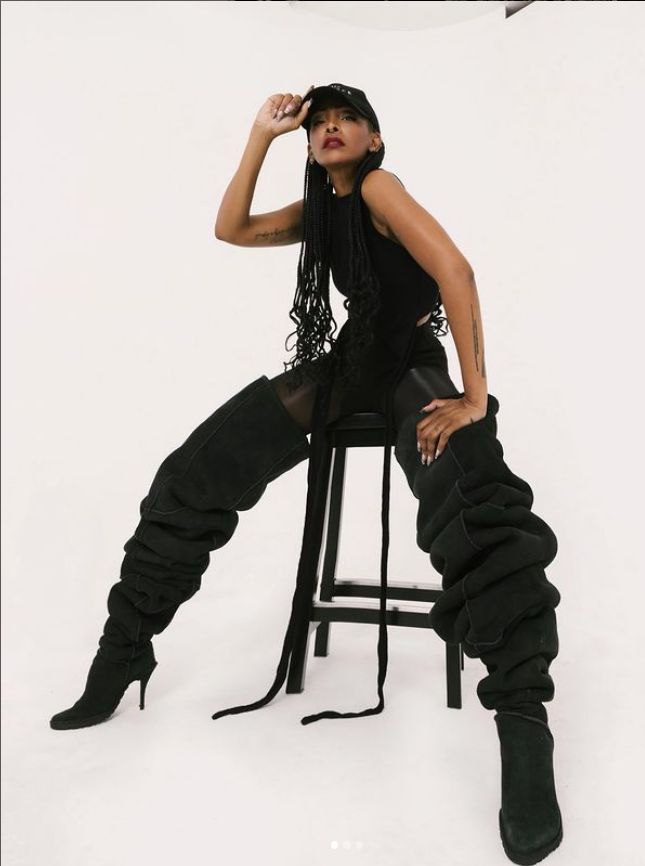
Name: Dawn Richard
Nationality: American
Occupation: Oud player, composer, improviser
Current event: Dawn Richard is one of the artists appearing at this year's EFG London Jazz Festival. The event will take place 15-24 November 2024 and feature artists such as Anohni, Imelda May, the Crosscurrents Trio, Charles Tolliver, Veronica Swift, Brandee Younger, Ill Considered, Tashi Wada, Yazz Ahmed, Spencer Zahn, Melike Şahin, Fabiano Do Nascimento, Belle Chen, the Neil Cowley Trio, Matters Unknown, Mark Kavuma, Avishai Cohen, Tigran Hamasyan, and Fran & Flora.
For tickets, head over to the festival's official website.
[Read our Ill Considered interview]
[Read our Tashi Wada interview]
[Read our Yazz Ahmed interview]
[Read our Melike Şahin interview]
[Read our Fabiano Do Nascimento interview]
[Read our Belle Chen interview]
[Read our Neil Cowley interview]
[Read our Matters Unknown interview]
[Read our Mark Kavuma interview]
[Read our Tigran Hamasyan interview]
[Read our Fran & Flora interview]
[Read our Anouar Brahem interview]
[Read our Spencer Zahn interview]
If you enjoyed this Dawn Richard interview and would like to know more about her music, visit her official homepage. She is also on Instagram, Facebook, Soundcloud, and twitter.
EFG London Jazz Festival:
For the London Jazz Festival performance, Spencer and I are really excited to bring something that feels intimate but expansive at the same time. We’re blending a lot of jazz and electronic elements, allowing the music to be free and experimental, with a heavy focus on improvisation.
We’ll be drawing from the themes of our recording projects, but leaving plenty of room for the moment to shape the sound.
Live Performances & Recording Projects:
My live performances and recordings are in constant dialogue with each other. The energy and ideas I explore on stage often feed into what happens in the studio, and vice versa.
When we’re in the studio, we’re laying the groundwork, but it’s in the live setting that these ideas can take on a life of their own. The two processes are so interconnected, they really thrive off each other.
London Jazz Scene:
The London jazz scene is vibrant, diverse, and full of life. It’s a city that really embraces a wide range of sounds and genres, and I think that’s what makes it so special.
It feels like a place where jazz is allowed to evolve, and that’s exciting as an artist.
City Scenes & Unique Sounds:
Even though music is global now and genres are constantly blending, I still think certain cities have their own unique sound. Places like London, New York, or New Orleans have such deep musical histories, and those roots hold their scenes together.
It’s the culture, the venues, and the relationships between the musicians and the community that give those cities their unique flavor.
What Jazz Means Today:
To me, jazz today is about freedom. It’s no longer confined to the traditional boundaries. It’s about blending genres, sounds, and influences from all over.
The essence of jazz—improvisation, creativity, and pushing boundaries—is still there, but it’s much more expansive now.
Transformable Materials in 2024:
Right now, I’m really inspired by the way acoustic and synthetic elements can blend together.
Finding the balance between organic and electronic sounds, and experimenting with voice and production, feels like endless creative territory. That mix is something I find really transformable and exciting.
Collaboration & Technology:
Collaboration has always been a huge part of the process for me, but with technology, it’s become so much easier.
Sharing ideas remotely can lead to interesting outcomes, but there’s something magical about being in the same room and creating in real time. The energy and spontaneity of being together can’t be replicated through file sharing.
Real Concerts vs Live Streams:
There’s something about the energy in a live concert that you just can’t get from a live stream. That direct connection with the audience, feeling their energy, it changes the way you perform.
While live streams have their place, nothing beats the immediacy of a real show.
Energy in the Room:
The energy in the room absolutely influences the performance. It’s like this invisible thread between us and the audience, and it shifts how we play.
For me, that energy often dictates where the improvisation goes, making each performance its own unique experience.
Improvisation in Jazz:
Improvisation in jazz has evolved. It’s not just about solos anymore—it’s about creating entire soundscapes and using technology in real-time to loop and manipulate sounds. It’s more expansive than ever.
Approach to Improvisation:
When I’m improvising, I like to build in layers. I let one element lead into the next and leave room for the unexpected.
It’s about trusting the process and the other musicians, and letting the music breathe.
Relationship with My Instrument:
My voice is an extension of me. It’s like another limb. It feels deeply connected to my body and emotions.
It’s the way I express what I can’t say any other way, and in that way, it’s both a tool and a part of me.
Identity in Improvisation:
Improvisation is a space where I can express parts of my identity that might not come through in more structured music. It’s where I can be vulnerable, experimental, and bold all at once.
How to Listen to Improvisation:
If you’re listening to improvisation, I think the key is to let go of expectations. It’s like a conversation, so focus on how the different elements interact with each other.
Just be present and let it take you where it wants to go.
Does Improvisation Live On?
Improvisations might end, but they’re never really gone. They live on in the memories of those who experienced them and in how they influence the next performance or recording.
It’s like a ripple effect—they keep moving, transforming, and evolving.